


Estimated reading time: 9 minutes
My homemade Greek yogurt recipe is super easy to make! Even without fancy equipment, you can still make delicious homemade, natural, pot-set Greek
yoghurt. My recipe uses just three ingredients, and there's no need to strain the yoghurt.
So many people have been asking me to share my recipe for creamy Greek yoghurt lately. It can be tricky to reproduce a thick, creamy, premium yoghurt at home. With this recipe, you will nail it every time. The extra tips and tricks keep those little microbes happy and prevent the batch from spoiling!
Please note that there may be affiliate links in this post. For more information, see my disclosure page or the bottom of this article.
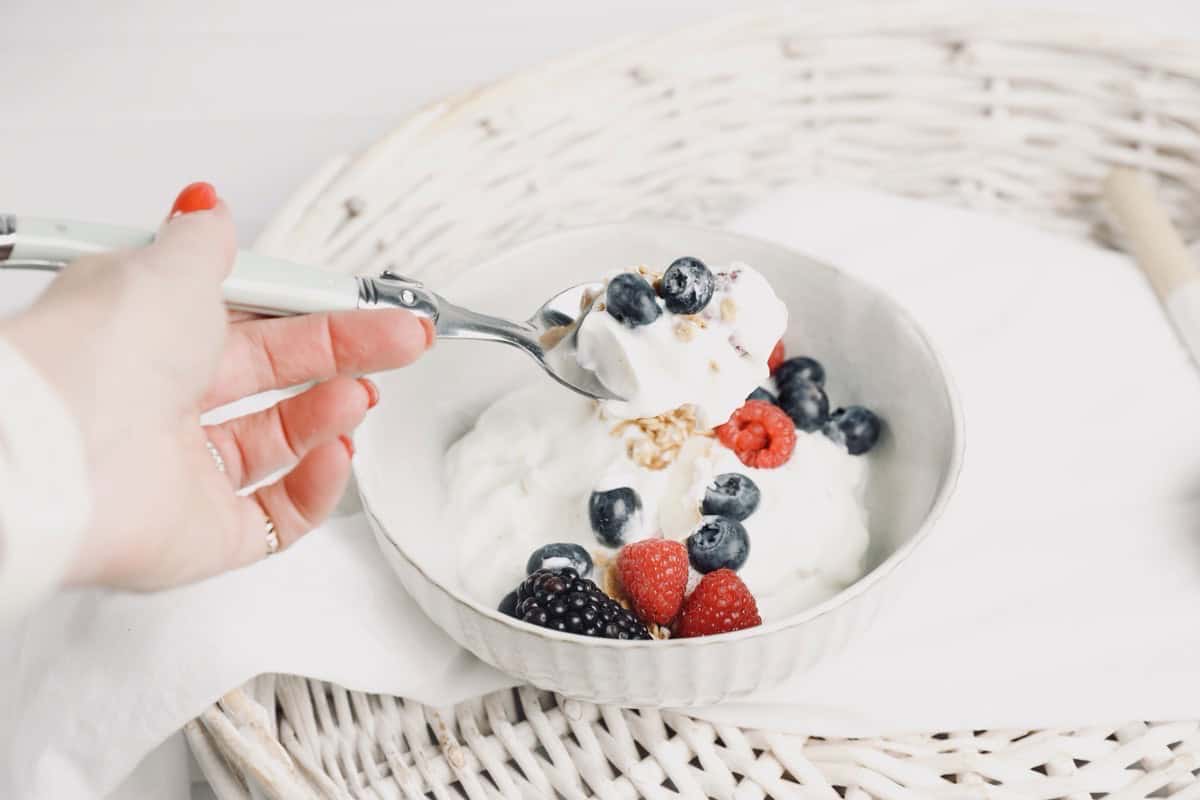
Table of contents
Key Takeaways
- This Greek yoghurt recipe requires just three ingredients and no straining, making it simple and accessible.
- Use full-cream UHT milk, full-cream milk powder, and natural pot-set yoghurt as a starter for the best results.
- Maintain a consistent temperature during fermentation to ensure thick and creamy yoghurt; consider using an electric yoghurt maker for ease.
- After fermentation, refrigerate your homemade yoghurt for 1 week to 10 days, and serve it in various ways, like with lemon curd or granola.
- Check for tips on maintaining temperature and ideal starter options to avoid spoilage in your Greek yoghurt recipe.
Yoghurt Making Ingredients
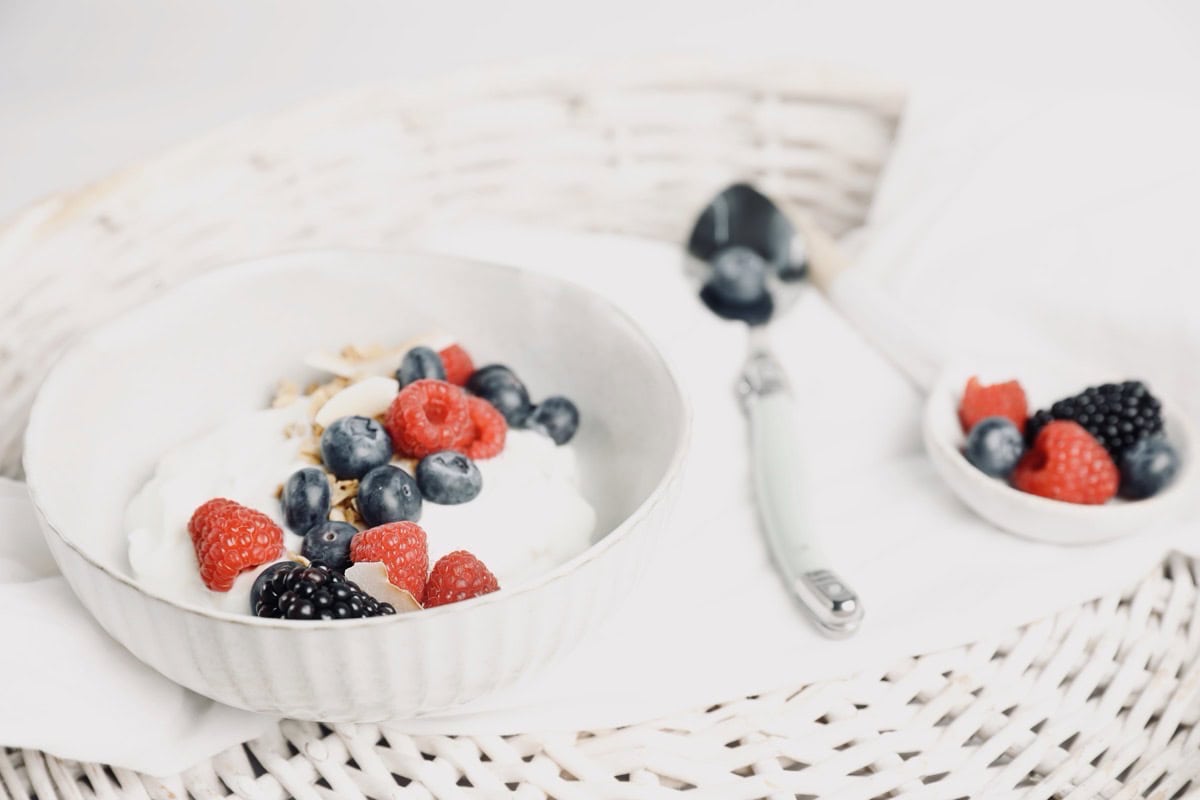
With only three ingredients in homemade yogurt, people tend to worry a lot about which milk or starter to use. So I'll outline the ingredients I use in my recipe.
Milk
I prefer full-cream milk when making this yoghurt because it produces a lovely creamy result. I use full-cream UHT milk because:
- It's generally cheaper than refrigerated milk.
- The milk is kept at room temperature, so it's quicker to heat.
- I always have reserves of UHT milk in the pantry, so it's convenient
Yoghurt Starter
In the past, I've seen recommendations that only expensive brands of thick yoghurt be used as a culture. The truth is, any natural pot-set yoghurt containing live cultures can be used to make yoghurt.
I always use a full cream, natural yoghurt as a starter. I prefer it to have minimal ingredients: milk, skim milk, and cultures.
Milk Powder
A good quality full cream milk powder adds a delicious creaminess and increases the milk solids, helping the yoghurt set thicker and creamier. If you have ever reconstituted cheap milk powder, you know there is a taste difference between brands, so choose a brand you trust. Your yoghurt's flavour can vary depending on your choice.
Preparing the milk
For this recipe, I use 1kg full cream UHT milk, 80g full cream milk powder and 80g natural pot-set yoghurt as the starter. UHT milk has already been heat-treated, so I skip the initial high-temperature heating and cooling step. However, I still warm the milk to 40°C before adding the yoghurt starter.
If using fresh milk, heat it to 90-95°C first. The milk will look frothy and steamy but doesn't need to boil. Keep the thermometer probe away from the base of the saucepan when checking the temperature. Remove the milk from the heat and allow it to cool to 40°C before adding the starter.
Homemade Yogurt Making Methods
The key to successful thick, creamy natural yoghurt is culturing the yoghurt at a consistent optimal temperature. We want to keep the good bacteria cosy so they can do the fermentation quickly and efficiently. Various methods are used to maintain the yoghurt temperature. The method you choose will depend on the equipment you have on hand.
If you consume a lot of yoghurt, it may be useful to invest in a method which minimises the chance of failure and food wastage.
Benchtop Method
This method requires you to manually maintain the temperature of the yoghurt. This will mean a daytime ferment. Here's how to keep the yoghurt warm:
Add the prepared yoghurt mixture to clean glass jars and place them in an insulated container with a warm water bath. Use a thermometer to check that the yoghurt stays within the recommended incubation temperature for your starter. Top up the warm water as necessary. If you cannot reliably maintain the temperature, use a temperature-controlled yoghurt maker instead.
Electric Yoghurt Maker
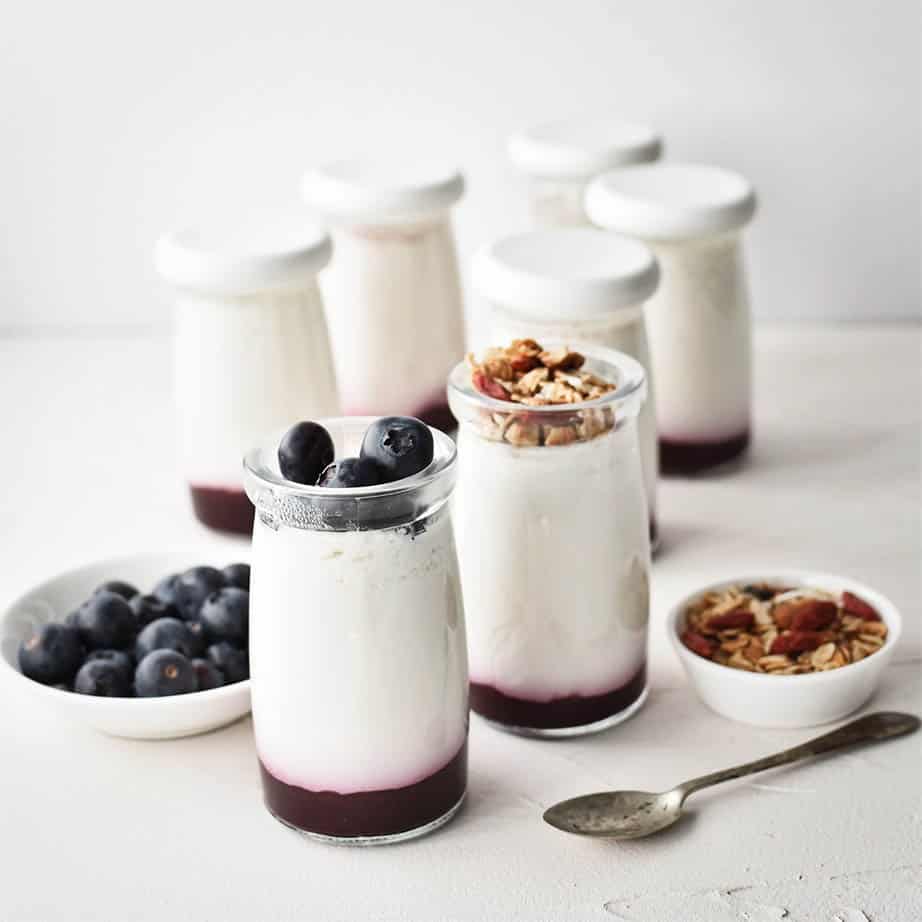
An electric yoghurt maker is a small, compact appliance that keeps the yoghurt at the optimum temperature. (Affiliate link: I may earn a commission if you purchase through this link.) I have always used this model yoghurt maker because I also culture mascarpone cheese. Mascarpone has a longer culturing or processing time. If you are looking to purchase a yoghurt maker, ensure the machine has a timer that goes beyond 12 hours so you have the maximum functionality.
To use a yoghurt maker, use the instructions in my recipe card below. Pour the yoghurt into the supplied container. Add the container to the appliance and then set the temperature to 40°C and the timer for 10 hours.
Remove the yoghurt and refrigerate until required.
Recipe Cost Estimate
Homemade Greek Yoghurt · Pantry Saver
Adjust the ingredient prices to calculate how much this recipe costs you to make.
| Ingredient | Quantity | Cost |
|---|---|---|
| Full cream milk | 1 litre | $1.75 |
| Milk powder | 80g | $1.08 |
| Reserved starter | 80g | $0.00 |
$2.83
$0.35
Money-saving tip: Remember to reserve 80g of yoghurt from each batch to use as your starter for the next one. That's one less ingredient you need to buy!
Estimated ingredient costs in AUD. Excludes electricity. Assumes you have reserved starter from a previous batch.
Related Recipes
FAQ: Greek Yogurt Making Tips
If your yoghurt has been fermenting in a temperature-controlled yoghurt maker or an adequately insulated container, a slightly longer fermentation time may result in a tangier yoghurt. Once fermentation is complete, refrigerate the yoghurt promptly. If you are unsure whether the temperature was maintained or fermentation was successful, discard the batch.
Once fermentation is complete, the yoghurt should be refrigerated promptly.
Leaving yoghurt in an insulated fermentation container is not the same as leaving it on the kitchen bench in an ordinary container, but care should be taken. If the fermentation temperature has not been adequately maintained, or you are unsure whether the yoghurt has fermented correctly, it is safest to discard the batch.
The yoghurt generally lasts 1 week to 10 days in the pots.
I prefer to use natural, pot-set yoghurt containing live cultures. Keep the ingredients simple and avoid unnecessary flavourings, sweeteners and thickeners when choosing your yoghurt starter.
Adding fruit introduces other sugars, such as fructose, as well as fibre and organic acids. These additional ingredients may influence how the different microbes grow during fermentation. I don't like to take chances with disrupting that balance.
Save the fruit and flavourings for when the Greek yogurt recipe has finished fermenting.

How to Serve Greek Yoghurt
Greek yoghurt can be used as a savoury or sweet base. Here are some ideas for making the most of your homemade yoghurt.
- Serve with Lemon Curd for a Lemon Yoghurt
- Swirl through some Passionfruit Curd
- Top with some homemade Healthy Granola
- Use it as the base of a salad dressing with chopped herbs.
- Save money by adding it to your Easy Chicken Curry
Have a Thermomix? Take a look at my Thermomix Greek yoghurt recipe for instructions for the TM7, TM6, TM5 and TM31.
THERMOKITCHEN COMMUNITY
Good food is better shared!
Love discovering new recipes, kitchen tips and clever ways to save money on food? Come and join me!
A little something delicious in your inbox
Be first to discover my new recipes, cooking tips and kitchen inspiration.
Yes please! Sign me upJoin 7K fellow food lovers. It's free!
Come and join the chatter!
Share your cooking creations, ask questions and get inspired by our community of 20K home cooks.
Join our Facebook groupMore delicious inspiration
Happy cooking, Julie ♡

Homemade Greek Yoghurt
Equipment
- Saucepan
- Whisk
- Kitchen thermometer
Ingredients
- 1000 g full cream UHT milk Or full cream fresh milk; follow the fresh milk method.
- 80 g full cream milk powder
- 80 g natural pot-set yoghurt with live cultures
Instructions
UHT Milk Method
- Whisk the milk powder into the UHT milk in a saucepan until dissolved.1000 g full cream UHT milk, 80 g full cream milk powder
- Warm the milk mixture to 40°C, stirring gently. Remove from the heat.
- Whisk in the natural yoghurt starter.80 g natural pot-set yoghurt with live cultures
Fresh Milk Method
- Heat the fresh milk in a saucepan to 90-95°C. The milk will look frothy and steamy but does not need to boil.1000 g full cream UHT milk
- Use a thermometer to check the temperature, keeping the probe away from the base of the saucepan.
- Remove from the heat and allow the milk to cool to 40°C.
- Whisk in the milk powder until dissolved, then whisk in the yoghurt starter.80 g full cream milk powder, 80 g natural pot-set yoghurt with live cultures
Fermenting the Yoghurt
- Pour into clean yoghurt pots or the yoghurt maker container.
- Set the yoghurt maker to 40°C for 10 hours. Alternatively, use an insulated warm water bath and monitor the incubation temperature with a thermometer.
- Refrigerate promptly once fermentation is complete.
Notes
Log in: Then add your own recipe notes below!
Nutrition
I hope you have enjoyed this story. Feel free to leave a comment or start a discussion. If you have made a dish from this site, I would love to know what you thought!
Leaving a comment and a star rating helps others decide if they should try my recipe. Plus, if you hit the social media share buttons, your friends may find a delicious new recipe or Thermomix Tip too!
If you want to be notified when a new recipe is released, sign up for my monthly newsletter. The form is also in the footer!
Thank you for stopping by,
Happy Cooking
j xx

Link Disclosure
From time to time, I recommend kitchen products and ingredients. These are always items I use and love! When I share a product link, you can rest assured that I have tested the item and genuinely love it! If you follow my link and purchase the item, I may receive a commission for the referral.
Whilst the commission may only be $1 or so, I value your support, and I take your trust very seriously.
By clicking on my link, or selecting my name "Julie Carlyle" as the referrer, you reward me with a small commission that helps support me and this website.
Your support keeps me cooking!


Leave a Reply